My Pedagogy

There are several major concepts that act as guiding principles in my teaching. I view these six principles below as time-tested, core values that promote the most optimal learning experience for students in the humanities. Also listed are my essential go-to books for my always evolving mission to be a more effective educator.

"The Rhetorical Triangle"

Persuasion

There are three equally important modes of persuasion:
Logos: Be logical and reasonable. Explain research and examples. Make sense. Use your brain!
Pathos: Express yourself, be passionate and empathetic. Use your heart. Connect to the audience on a human level.
Ethos: Trust! Value honesty, intelligence, and kindness. Be trustworthy and competent.

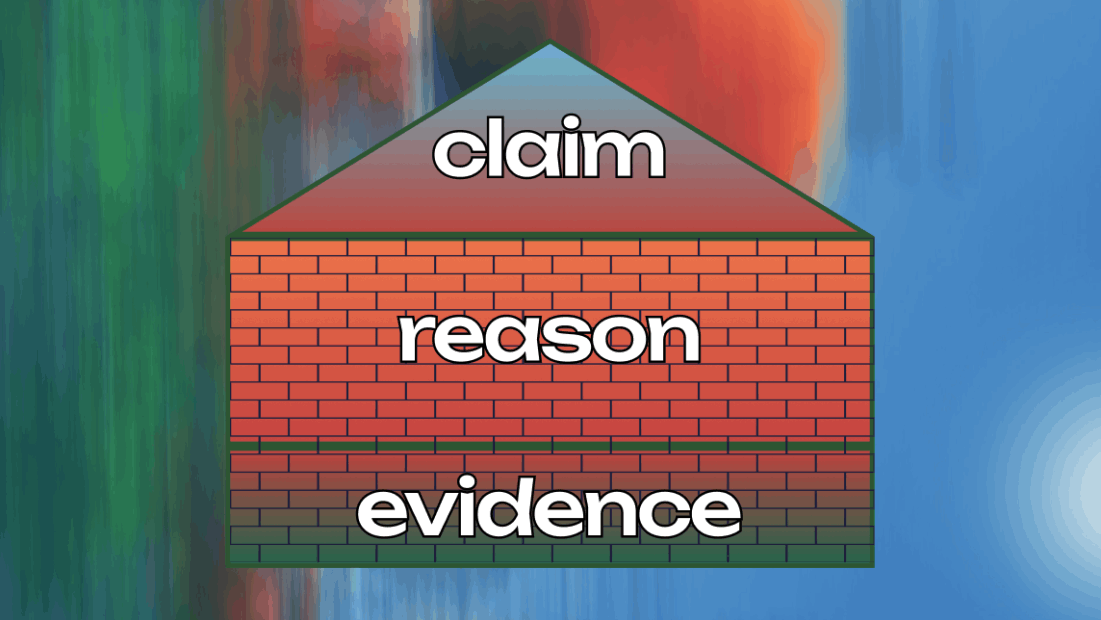
“The Brick House"

Argumentation

Confucius told us "学而不思则亡 思而不学则怠" that we need both studying and thinking. We must study, read, and learn about real-world research, but also critically think and reflect using our own reasoning, all to cogently and coherently support a clear main argument.

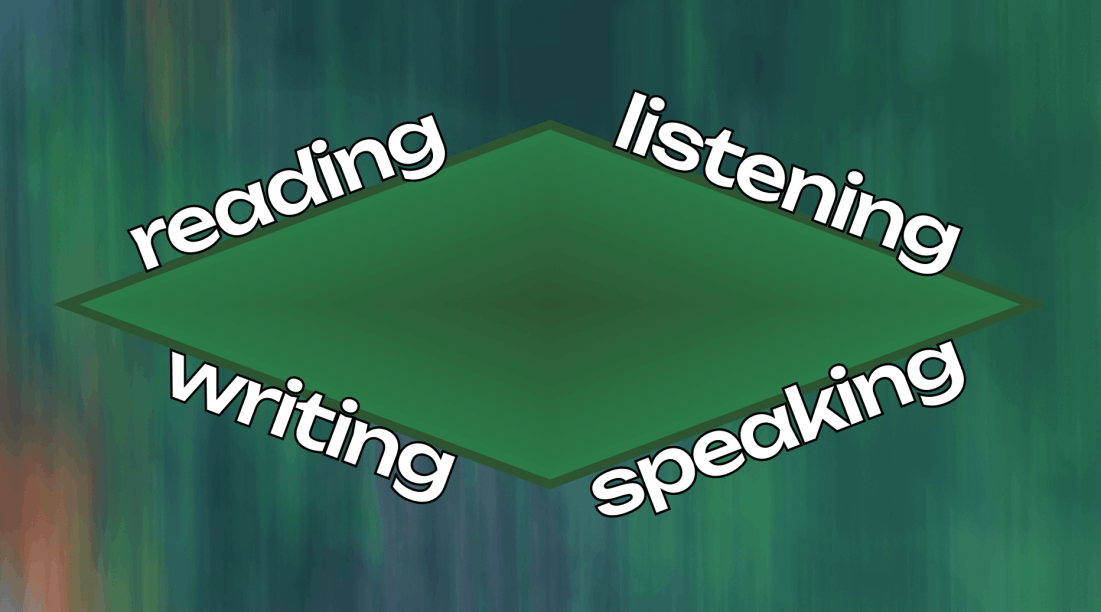
“The Visceral Rhombus"

Literacy

Mastery of literacy in any language requires reading, writing, listening, and speaking as the four sides of a rhombus. Nowadays, A.I. can do all of these things, so we need to develop our skills more viscerally into a fully human literacy. Reading and listening are sometimes viewed as secondary, passive skills, but these must be emphasized as equal and active components of full literacy.

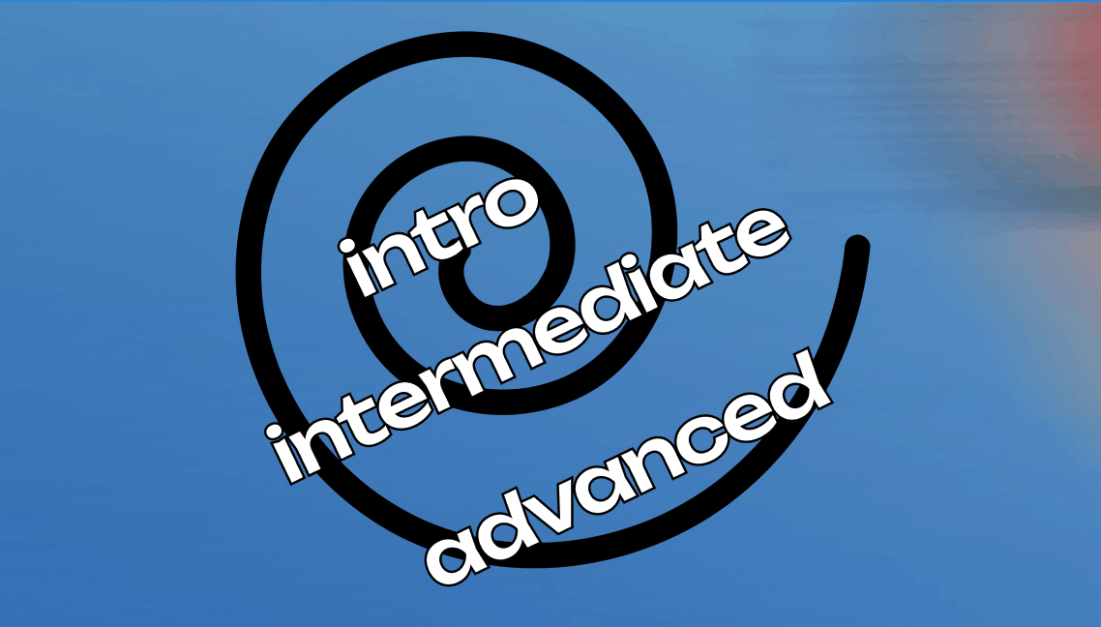
“The Spiral Galaxy"

Curriculum

Learning is not a simple, linear progression. There's many aspects of debate that have to first be introduced, practiced a lot, and then guided up to a progressively higher level. Like learning a new language, musical instrument or sport, these skills must constantly be revisited and repeatedly practiced to achieve full proficiency.

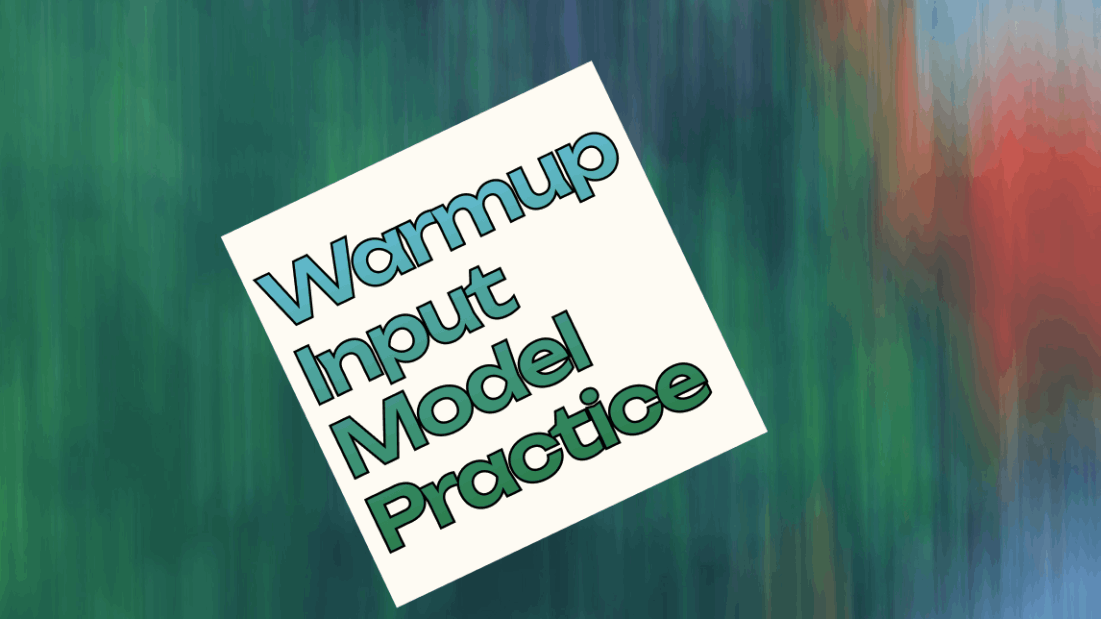
My “WIMP” Model of Teaching

Practice

All the evidence-based best practices emphasize the diminishing returns of one-way lecturing, especially for younger students. Students need brief instruction with exemplar models and then plenty of practice. Debate is a Sport, and sports require tons of interactive practice.

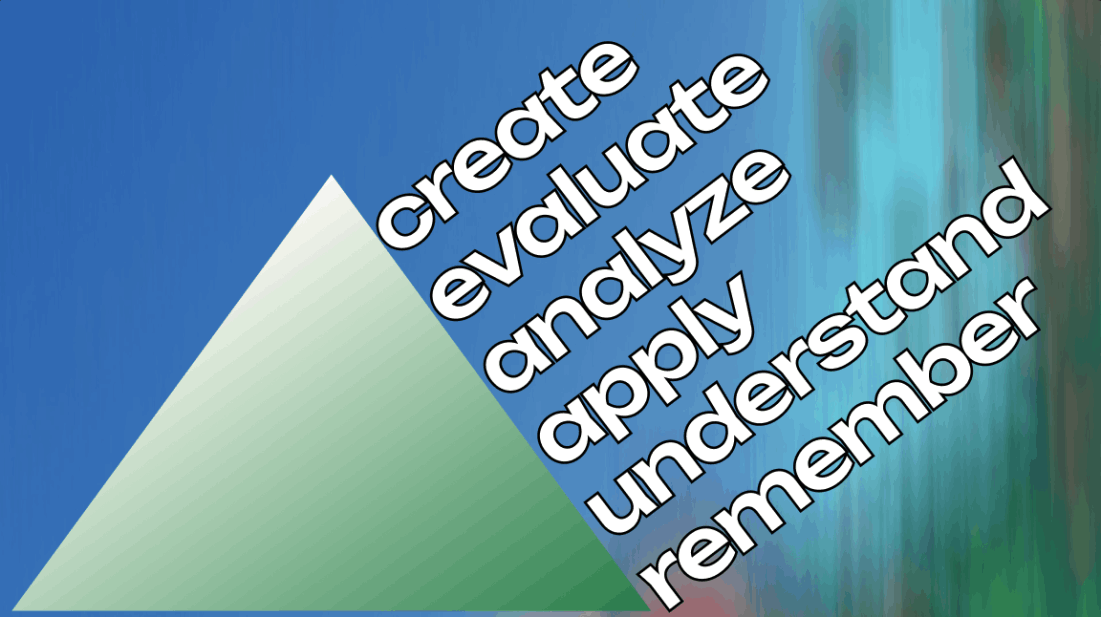
Bloom’s Taxonomy

Thinking

Many debaters can become 'successful' by merely remembering what their coach said and understanding the main points barely well enough to explain on their own. However, these are lower level cognitive skills. The students should be encouraged and expertly guided to apply current knowledge to new situations, analyze new concepts and information, evaluate ideas, and even create their own new arguments.

Pedagogy Books

Professional Development: These books serve as essential tools for any good teacher or debate coach. Along with 11+ years of first-hand experience, these have helped make me a much more effective educator.

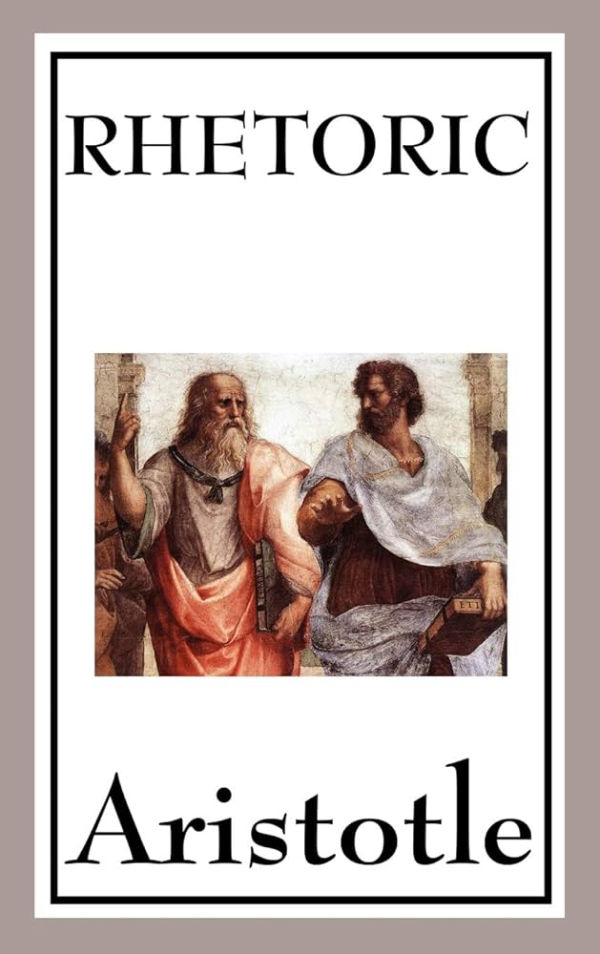
Aristotle's Rhetoric

This is the OG beginning of rhetoric, persuasion, communication in the Western world. Especially timeless is his explanation of logos, pathos, and ethos, that we still use literally multiple times every day.

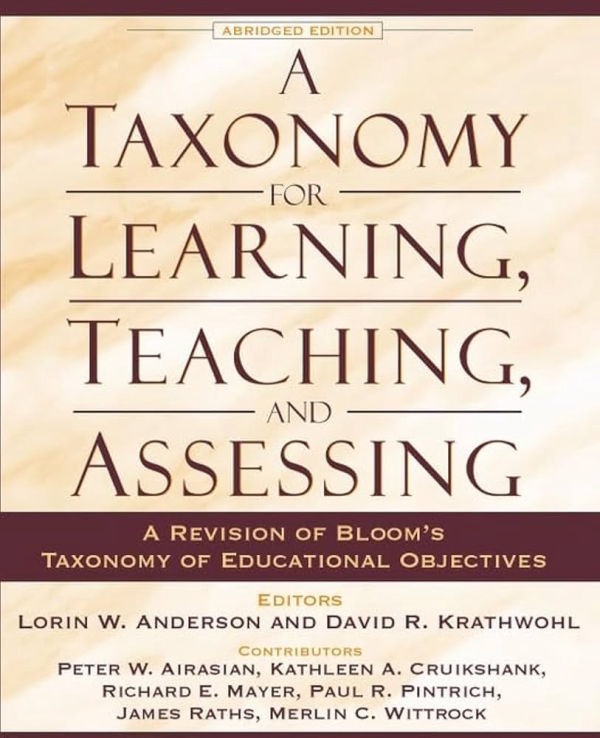
Bloom’s Taxonomy

Many debaters—even excellent debate champions—are stuck around the lower half by merely remembering and understanding what their coach says and then applying it in-round, without fully analyzing, evaluating, or creating anything on their own.

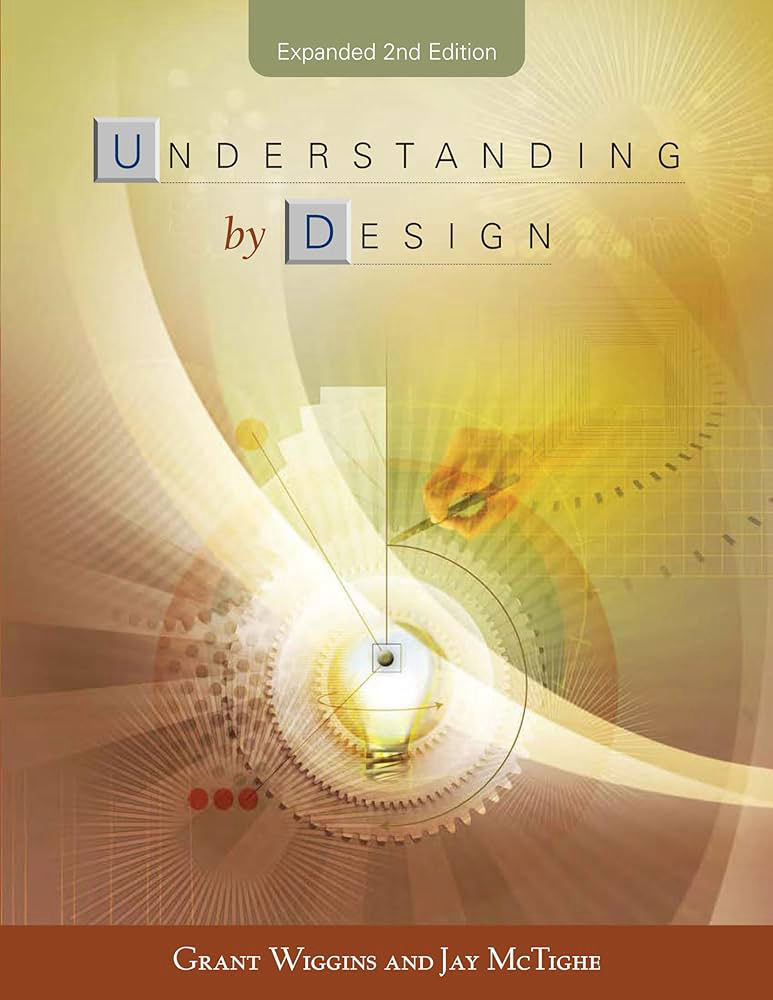
Understanding by Design

This book helped me become a better teacher by focusing less on 'what I want to teach' and more on 'what they need to learn'. Effective teaching is not about the teacher; it's about the students. This book shows how to actually help the students learn what they need to learn.

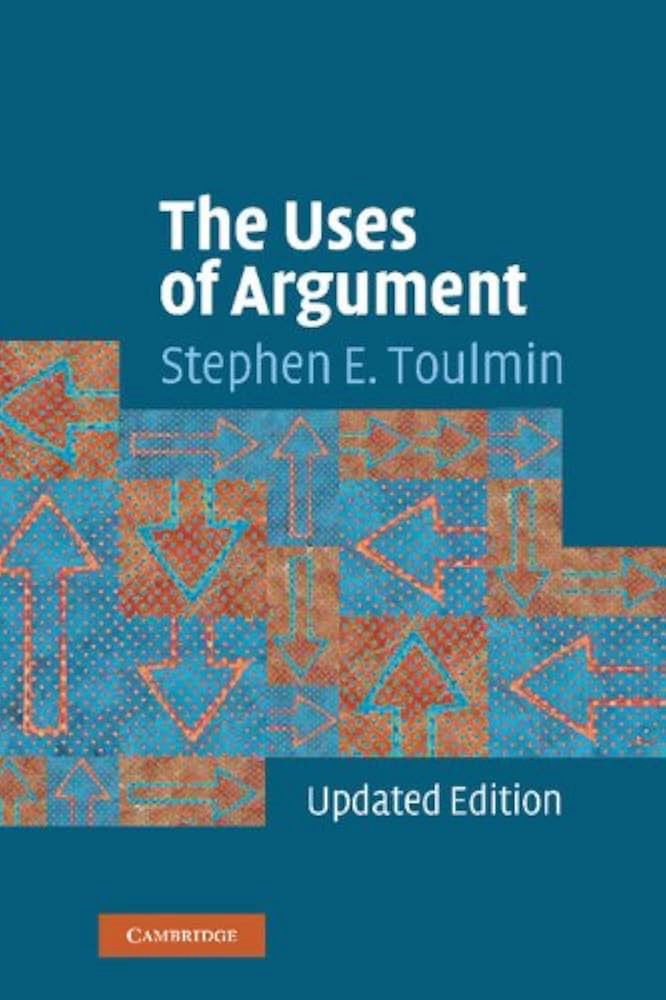
Stephen Toulmin

Toulmin is like a master architect of ideas. He teaches us how to build our arguments much stronger in a careful, logical way.

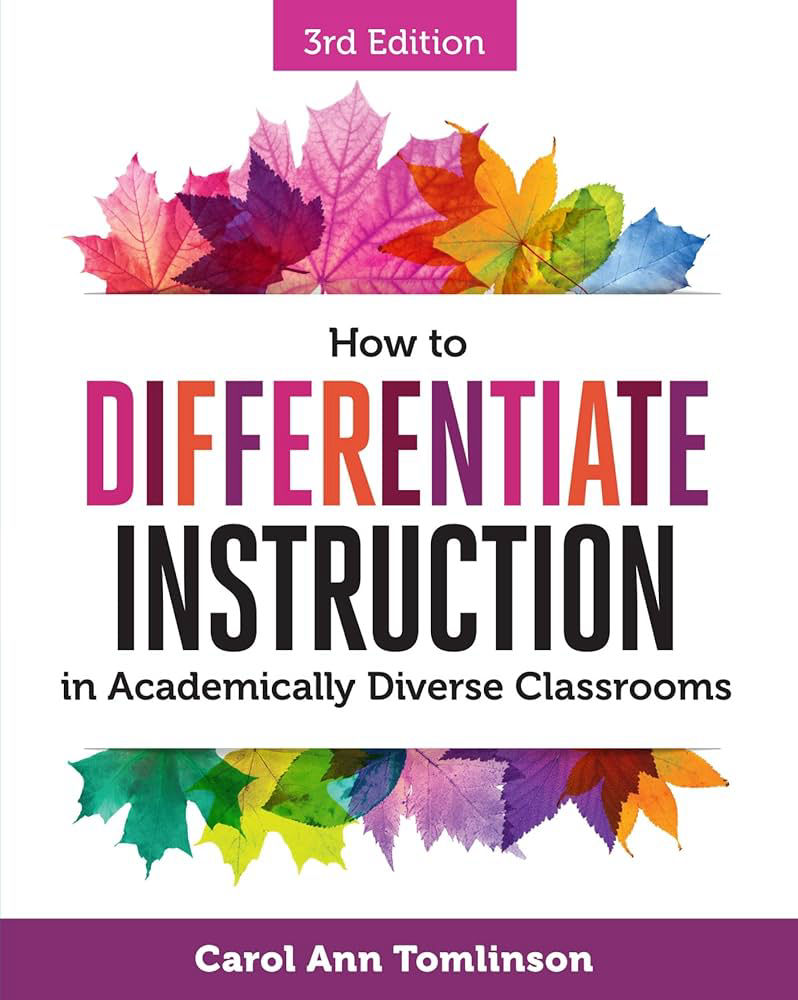
Differentiation

Usually differentiation is explained in a way that sounds exhausting that you have to teach each kid a completely different way, but the best way to teach differentiation is to teach all students the same material in several different ways. This helps deepen and enrich every student's learning experience.

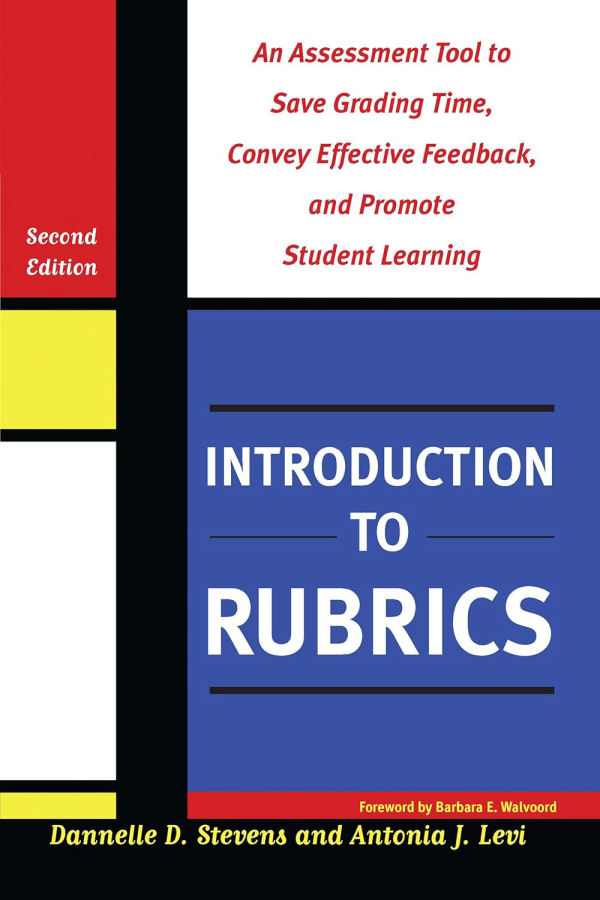
Rubrics

This book helped me rely more on preplanned systems of teaching and assessment instead of just trusting my ad-hoc intuition.

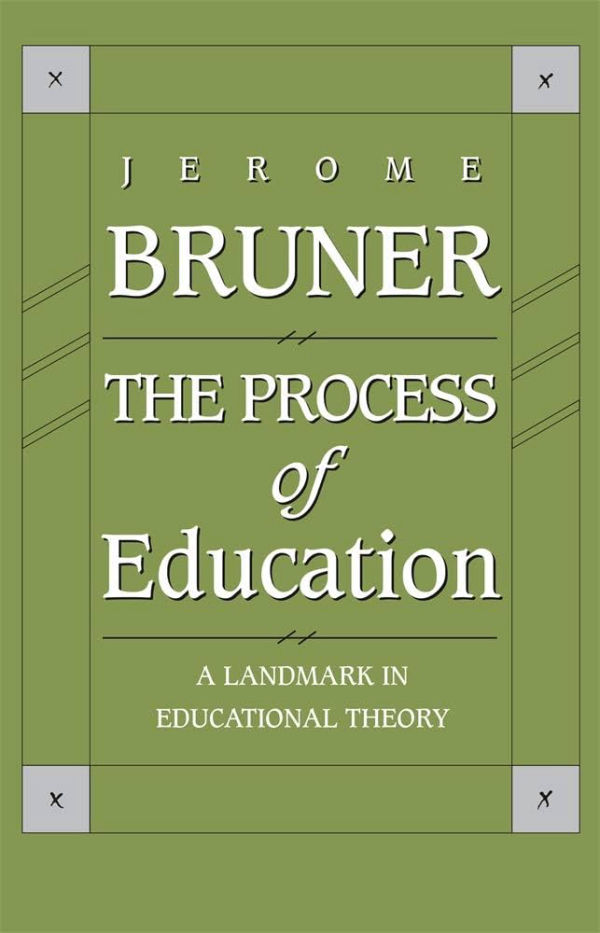
Jerome Bruner

“Any subject can be taught effectively in some intellectually honest form to any child at any stage of development.”

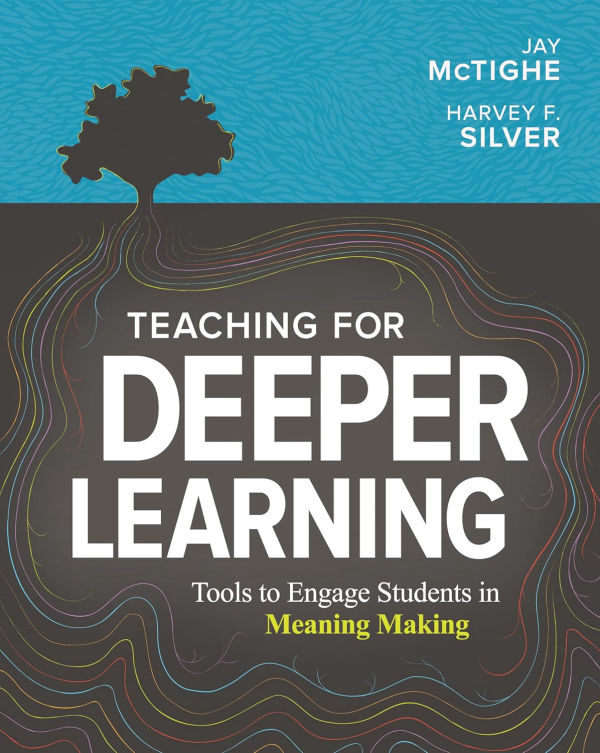
Deeper Learning

This book is good to help me make sure I provide opportunities to help the students learn deeper for themselves instead of spoon-feeding them the information.

Research

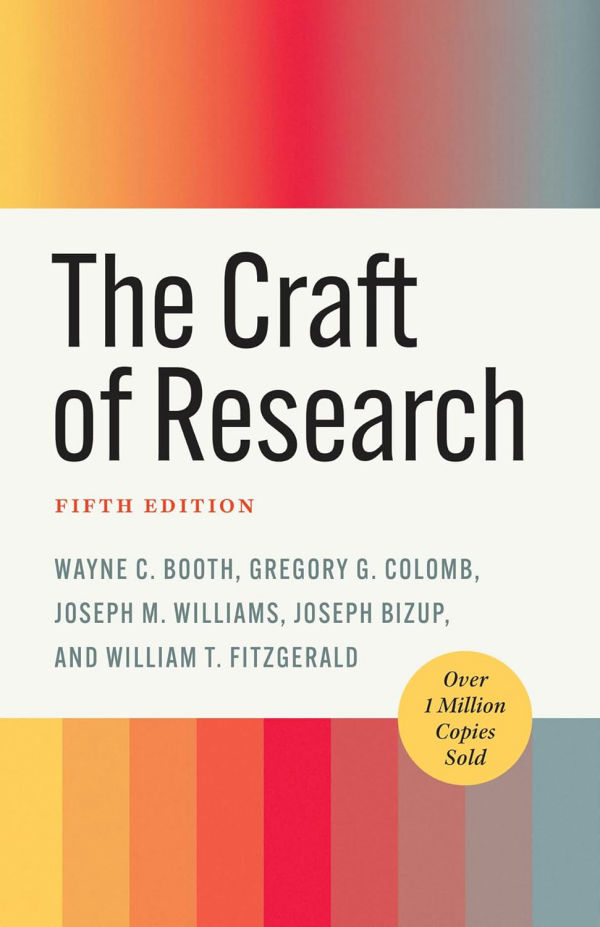
A much(!) earlier edition of this book helped me a lot in grad school to write my Masters thesis. It's advanced but super helpful for anyone who has to do academic writing.

Proven Benefits of Debate

The scientific research proves debate is good for the brain, and vital for students’ development.

News Articles about Debate

There have been many wonderful articles about the greatness of debate. Here’s just a few:

from high school debate to the Supreme Court

Debate trained Ketanji Brown Jackson to think rigorously, argue precisely, and listen carefully, which led her to the Supreme Court. Debate is not just a fun game, it's serious academic work with a lot of payoff.

Kansas debate star's novel about debate

The first debate I ever saw was Ben Lerner when he was a high school debate champion. Since then, he's become a Macarthur genius and poet. This book is about a high school debater in Kansas.

Kansas high school debate culture going strong

I was lucky enough to be born in Kansas where the tradition and culture of academic, competitive debate is very strong. We value academic rigor, being open-minded and accepting, but building strong arguments and using logic and common sense.

from paper to paperless debate

What debate was like before laptop computers and how it's still one of the few school activities that systematically teaches rigorous thinking and argument.

the rigors and real-life preparation of debate training

Debate teaches disciplined thinking and prepares students to succeed with real life adaptations in the modern world.

debate changes lives

Debate is an amazing resource and opportunity that should be available to every student, as it has the possibility to forever change lives for the better.

RIP Coach Tuna

Although I never met him, Alfred Snider had a big impact on my coaching. He was so prolific to produce many videos, books, and other resources for debaters of the world.

Elements for macOS application icon. Made in Elements