Introduction to Philosophy

During the pandemic, ECNU invited me to teach a course for university students. The course was a very broad survey of many aspects of philosophy—the goal was to act as a sample platter to get them excited to explore more philosophical ideas on their own in the future. I share some info here in that same spirit:

class one

intro to philosophy

• “philosophy bakes no bread”
• Metaphysics - reality
• Ethics - morality
• Logic - correct reasoning
• Epistemology - knowledge
• Aesthetics - beauty
class two

ancient greece

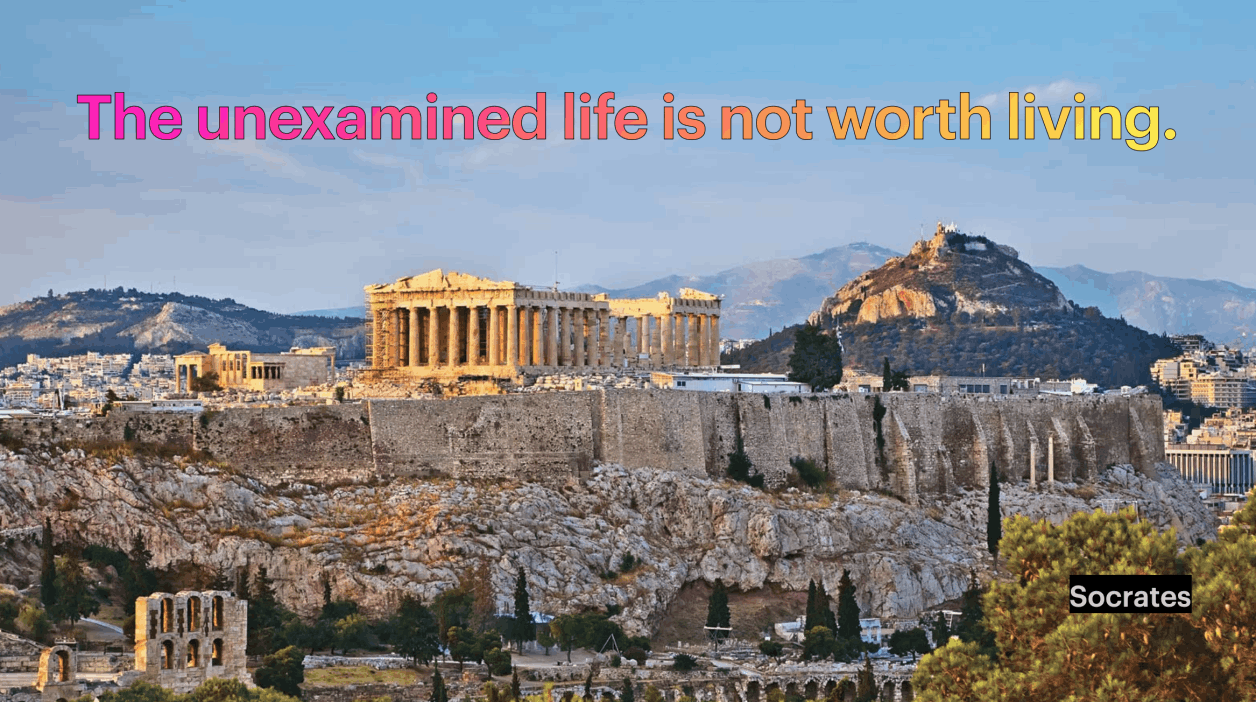
• “I know that I know nothing.” - Socrates
• Golden Mean - Aristotle
• Plato’s cave
• Pythagoras – idealism, math
• Epicureans – real happiness
• Sophists – eloquence, making money
• Cynics – distrustful, live like a dog
• Skeptics – nothing is real
• Stoics – life sucks, control your emotions
• Aristotle persuasion - Logos – logic, data
• Aristotle persuasion - Pathos – passion, emotion
• Aristotle persuasion - Ethos – trust, credibility

class three

ancient china

• Confucius
• Mencius – human nature is good like sprouts that need nurturing
• Xunzi – human nature is bad like wood that needs straightened
• Legalism – Han Feizi – strict rules & punishments
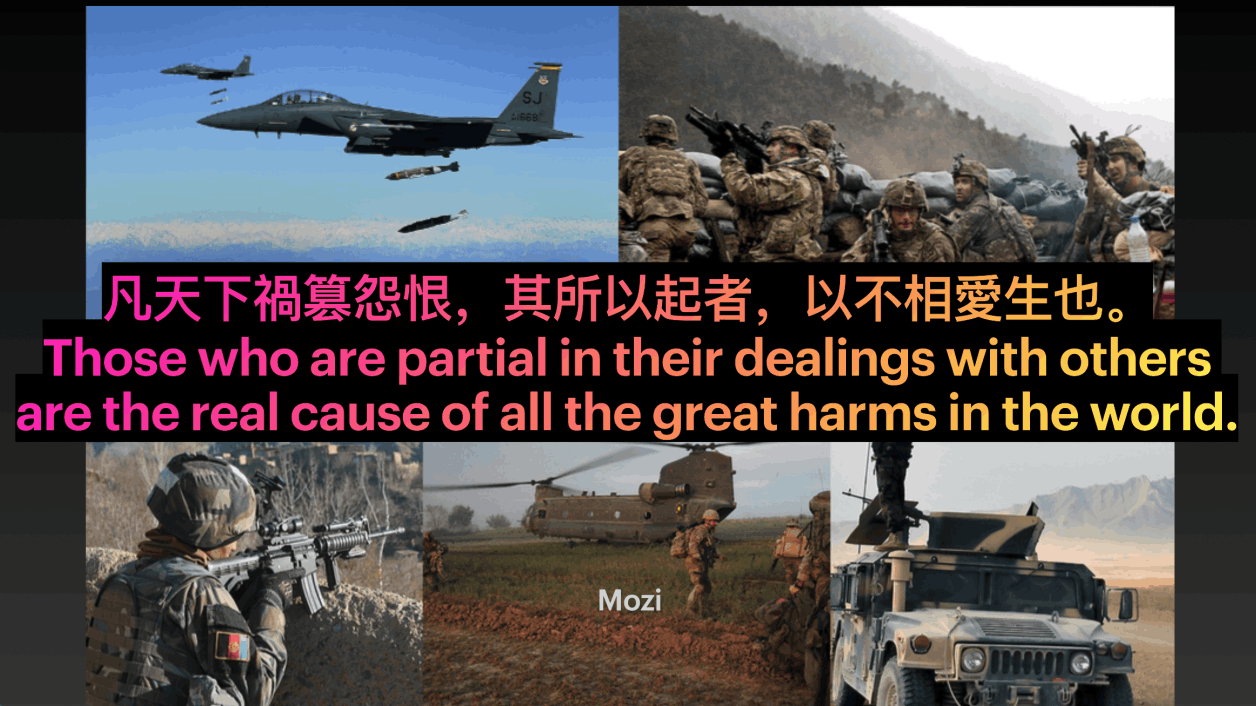
• Impartial caring 兼爱 – Mozi 墨子
• Wu Wei 无为 – Zhuangzi 庄子
• Transcendence (comparative philosophy)
• Immanence (comparative philosophy)

class four

the enlightenment

• “cogito ergo sum” – Descartes
• Tabula rasa – “blank slate” – Locke
• Mind-body problem – what is the relationship between thought/consciousness in the mind and the brain in the physical body? Are they separate or the same thing?
• Dualism – Descartes. Mind and body are separate and mind is better.
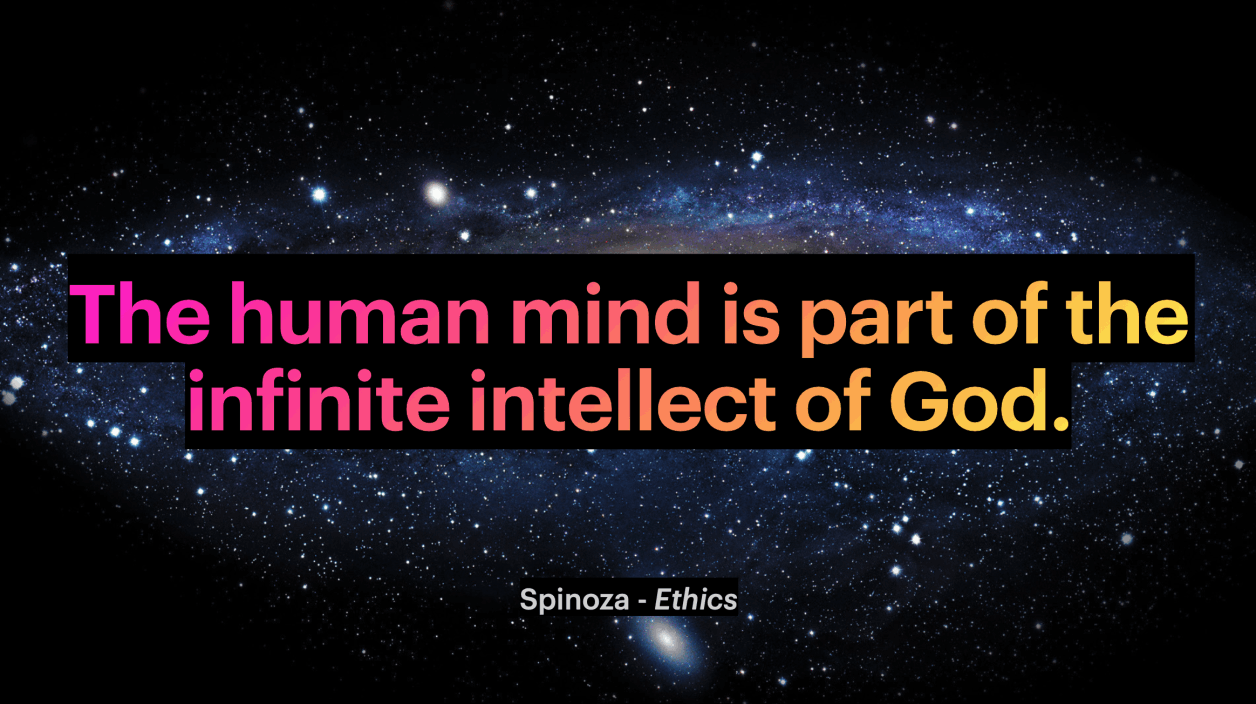
• All mind (monism) – Spinoza
• All body (monism) – Hobbes. “Man is a machine.” - Hobbes
• Hume – custom, common sense

class five

ethics

• Deontology – morality should be based on principle, not on results
• Kant - Categorical Imperative & Universal will
• Utilitarianism – morality should be based on whatever provides the best results
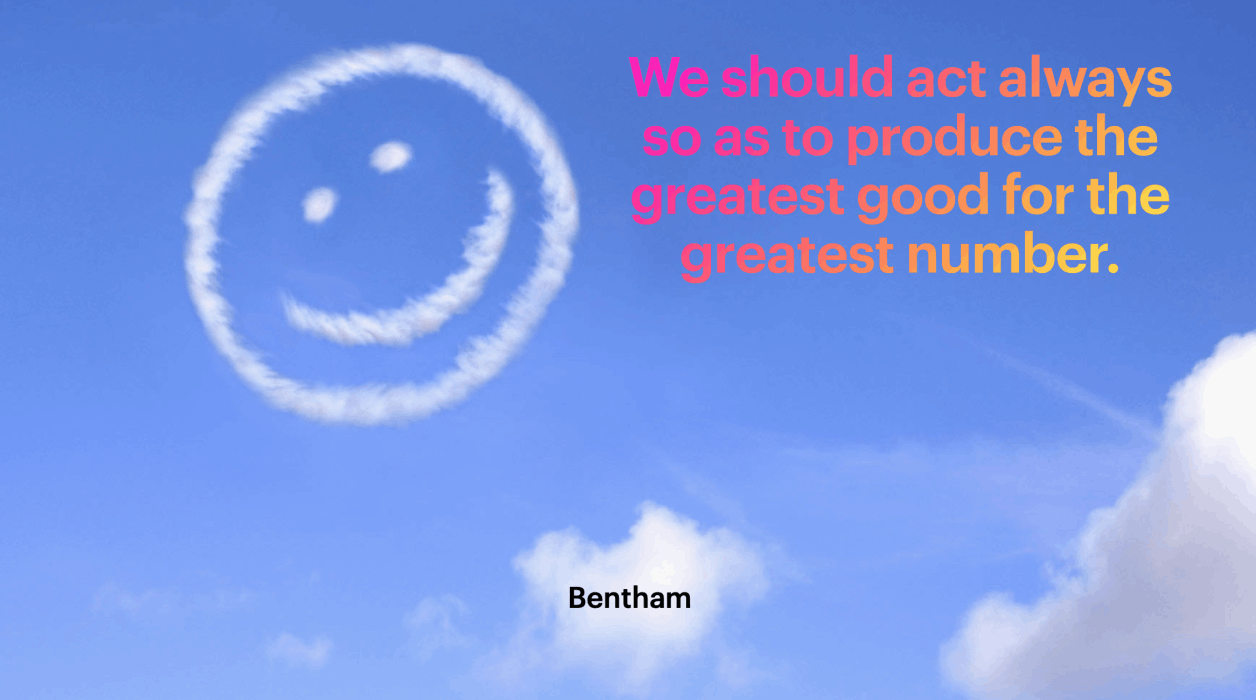
• “the greatest good for the greatest number of people.” – Bentham
• Tyranny of the majority (JS Mill)
• Harm principle (JS Mill)
• Peter Singer: Altruism + Animal rights
• Virtue ethics – Aristotle. Cultivate upright character
• Veil of Ignorance – Rawls. Ignore individual situation to make just decisions.

class six

existentialism

• Essentialism – everything has predefined essence (Sartre uses the example of a letter-opener knife)
• Absurdism – searching for answers in a world that has no answers
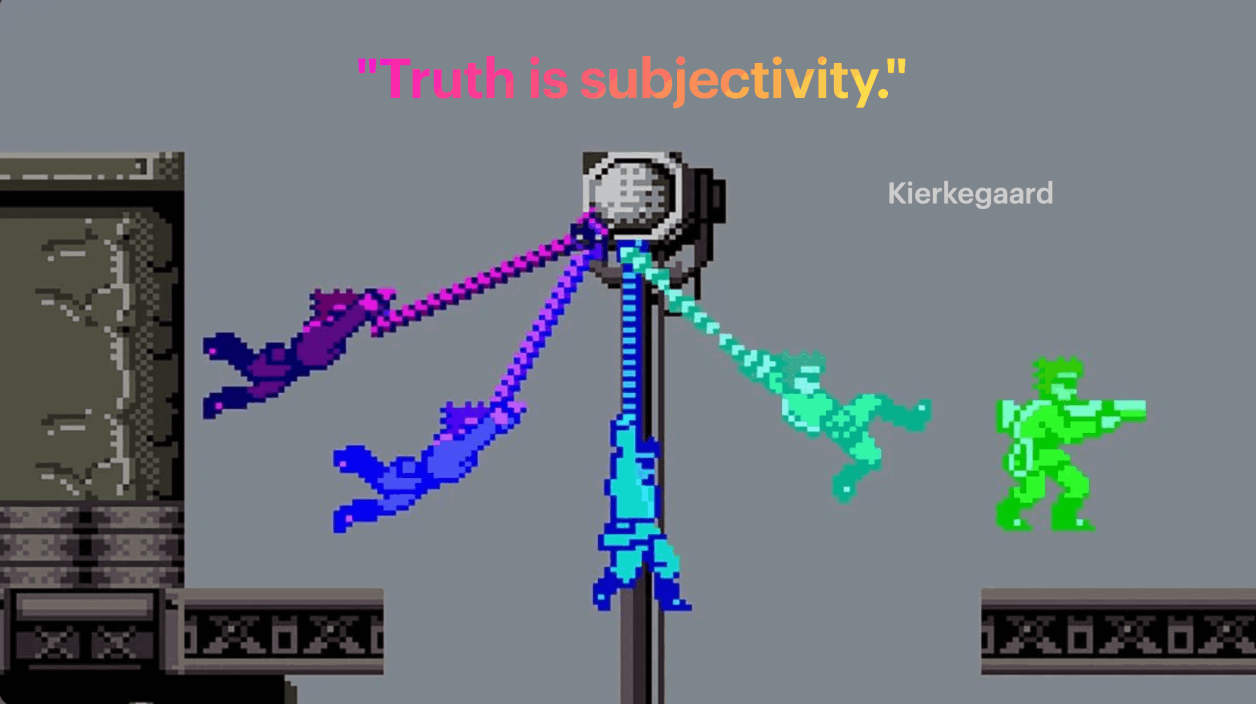
• “truth is subjective” – Kierkegaard
• Leap of Faith - Kierkegaard
• “God is dead” - Nietzsche
• Übermensch - Nietzsche
• “existence precedes essence” – Sartre. Opposes essentialism. We create our own essence/meaning only after we exist.
• “we must imagine Sisyphus happy.” – Camus. Life has no meaning—nihilism—but we can still enjoy it.

class seven

logic

• Inductive reasoning. Based on specific observations, empirical evidence, experience. Conclusion is about probability not certainty.
• Deductive reasoning. Formal logic. Not based on experience. Conclusion is about certainty.
• “This statement is false.” Paradox. (logic is not enough to explain everything)
• Validity – structure of argument is correct (if premises are true, conclusion must be true)
• Soundness – the argument is valid and the premises are actually true
• Modus ponens (if P then Q; P; therefore Q) valid
• Modus tollens (if P then Q; not Q; therefore not P) valid
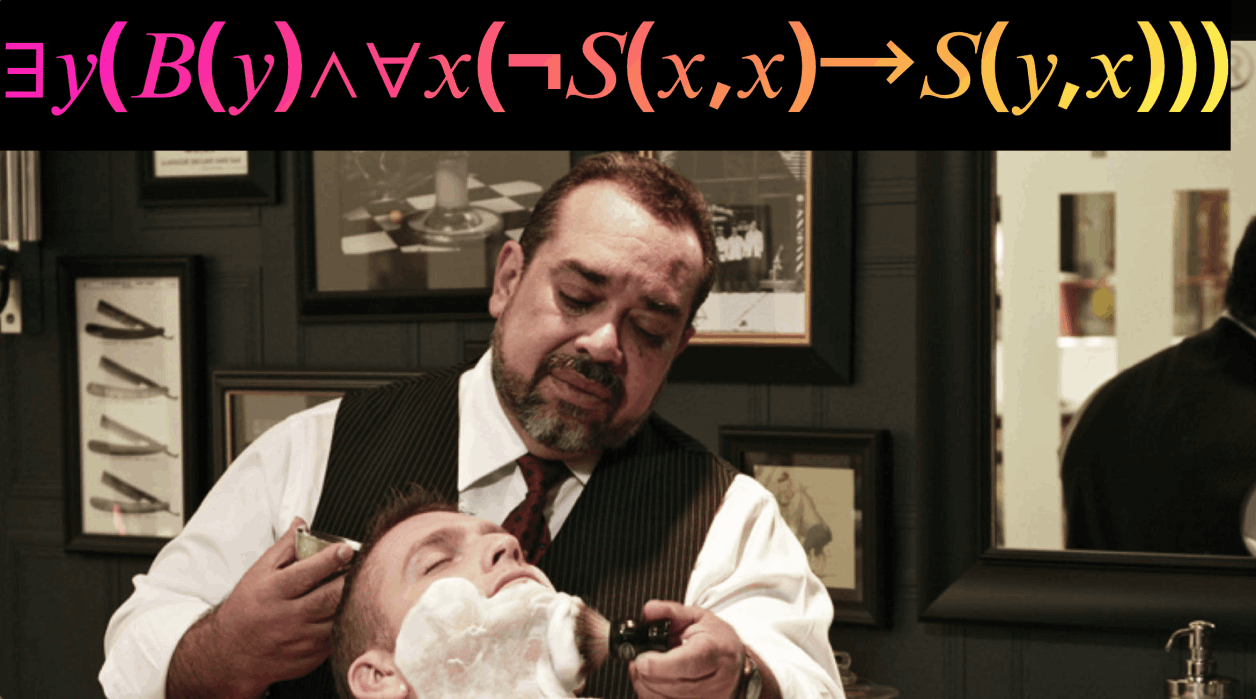
• Frege- “father of modern logic” came up with symbolic logic system (Concept Script) to notate logic
• Logical Fallacy - mistake

class eight

philosophy of politics

• State of nature – before government
• Social contract – Hobbes, Locke, Rousseau
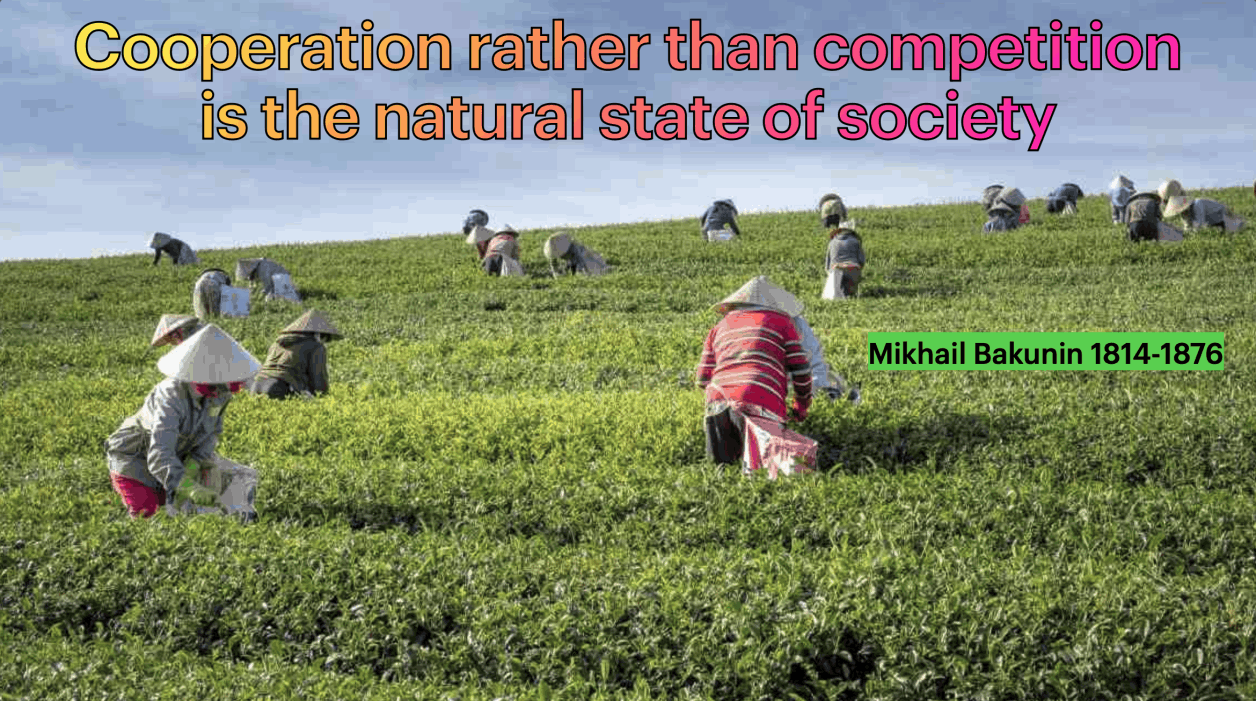
• Anarchy – Bakunin
• Separation of powers – Montesquieu
• Human rights – Paine
• Factions – Madison. aka lobbying
• Federalism – Madison
• Conservatism – Edmund Burke
• Libertarianism – Nozick
• Negative and positive rights – Isaiah Berlin (“freedom from” restrictions and “freedom to” something)
• Consent – Chomsky (explicit or tacit)
• Liberalism – Fukuyama
• Ideology – Zizek. System of ideas and beliefs that influence how we think about politics or culture or anything.

class nine

philosophy of economics

• Invisible hand – Smith
• Overpopulation – Malthus. Malthusian trap
• Tragedy of the Commons
• Class struggle – Marx
• Government intervention – Keynes
• Behavioral economics – Kahneman
• Conspicuous consumption – Veblen
• Negative externalities - Georgescu-roegen
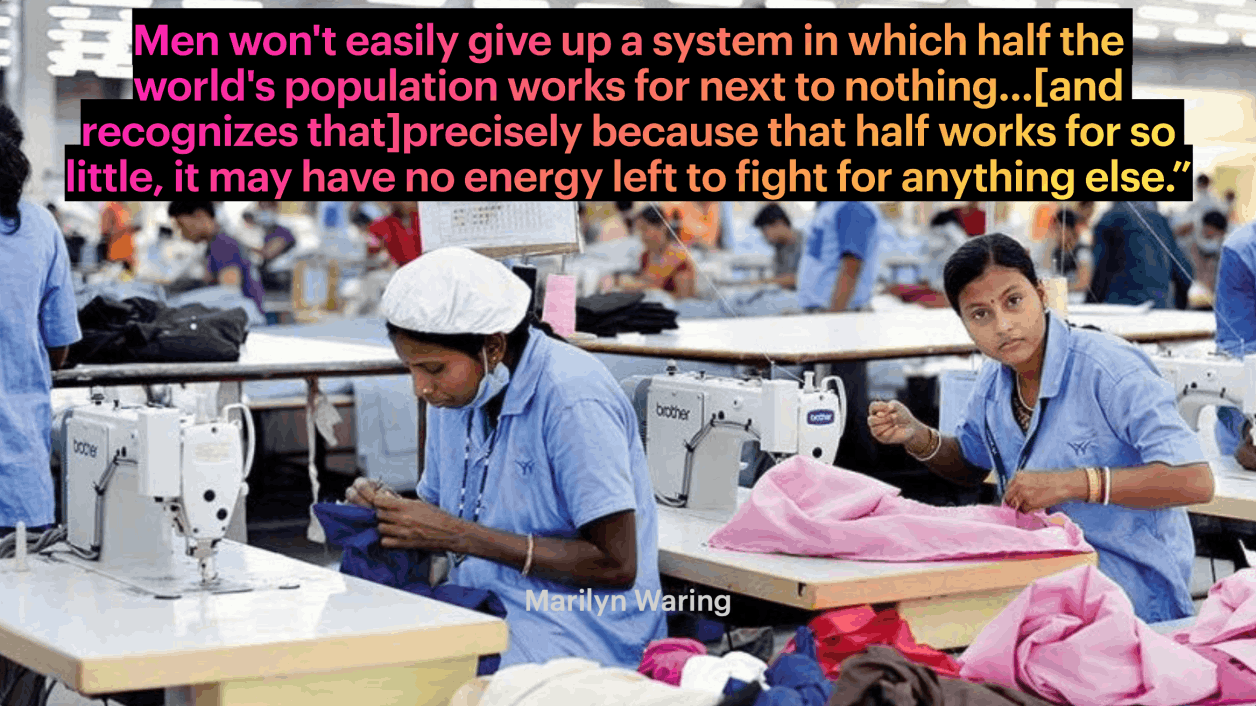
• Unpaid labor – Waring

class ten

philosophy of feminism

• A Room of One’s Own – Virginia Woolf
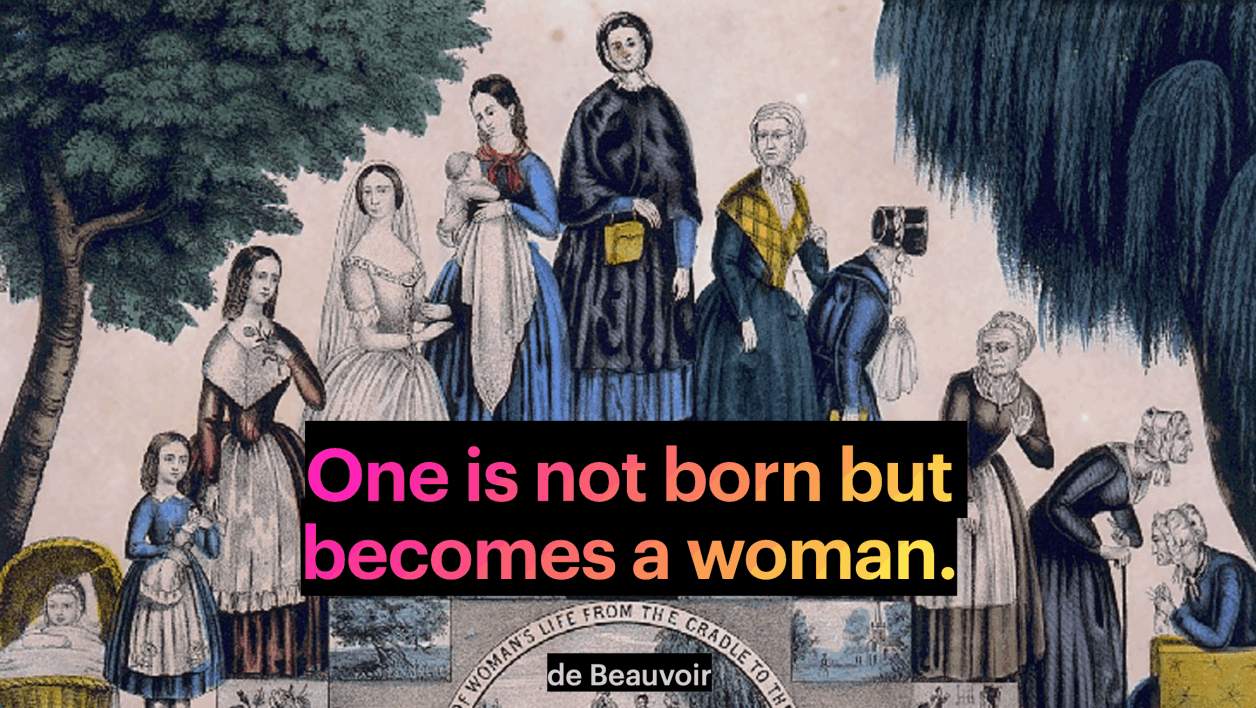
• “One is not born but becomes a woman” – de Beauvoir
• “gender is performative” - Butler
• Sex-gender distinction. Sex is biological; gender is socially constructed.
• “The personal is political”
• Male gaze - Mulvey
• Bechdel Test
• The Beauty Myth - Wolf
• Intersectionality – hooks
• Choice feminism

class eleven

philosophy of race

• “Ain’t I a Woman” – Sojourner Truth
• “separate but equal” – Jim Crow
• Double consciousness – WEB du Bois
• Martin Luther King Jr – nonviolence
• Anti-racism – Ibram X Kendi
• Affirmative action
• White privilege
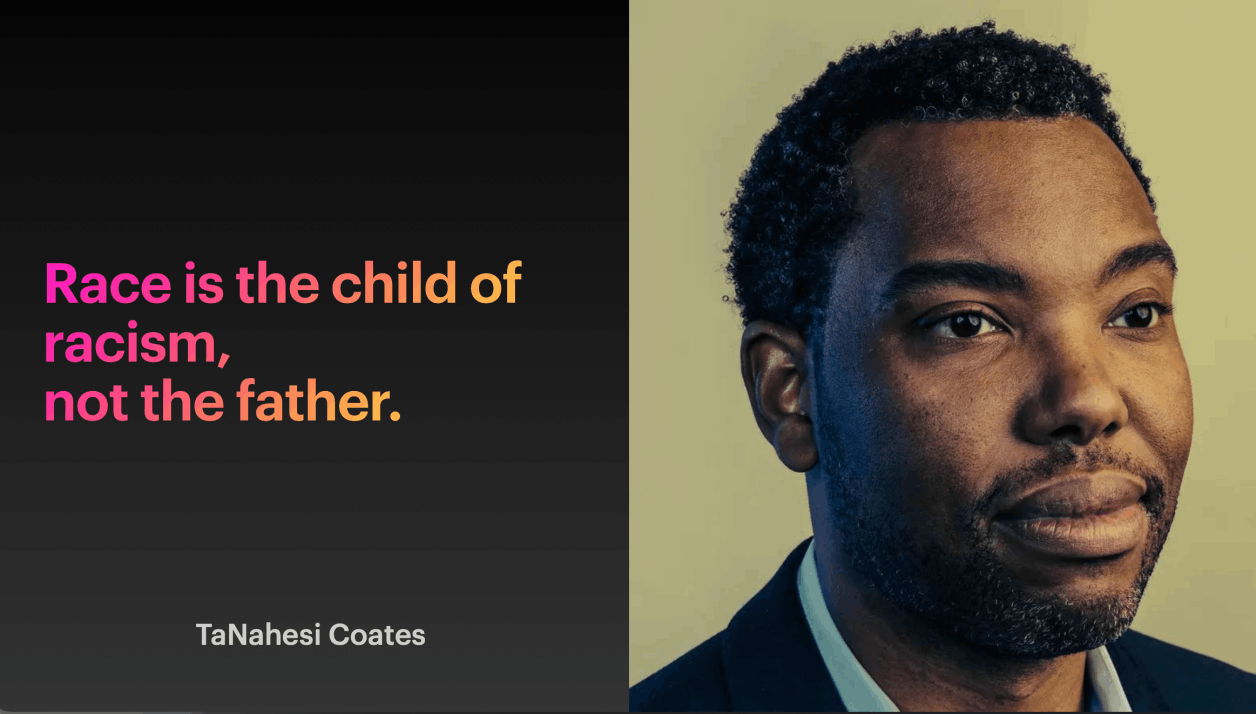
• “race is the child of racism, not the father” – TaNahesi Coates
• Orientalism - Said

Bonus: Song of the Day

For each class, I had a ‘song of the day’ to illustrate some of the lesson’s core themes and present some material for discussion through a different media. Here’s a YouTube playlist of all those songs.

Elements for macOS application icon. Made in Elements